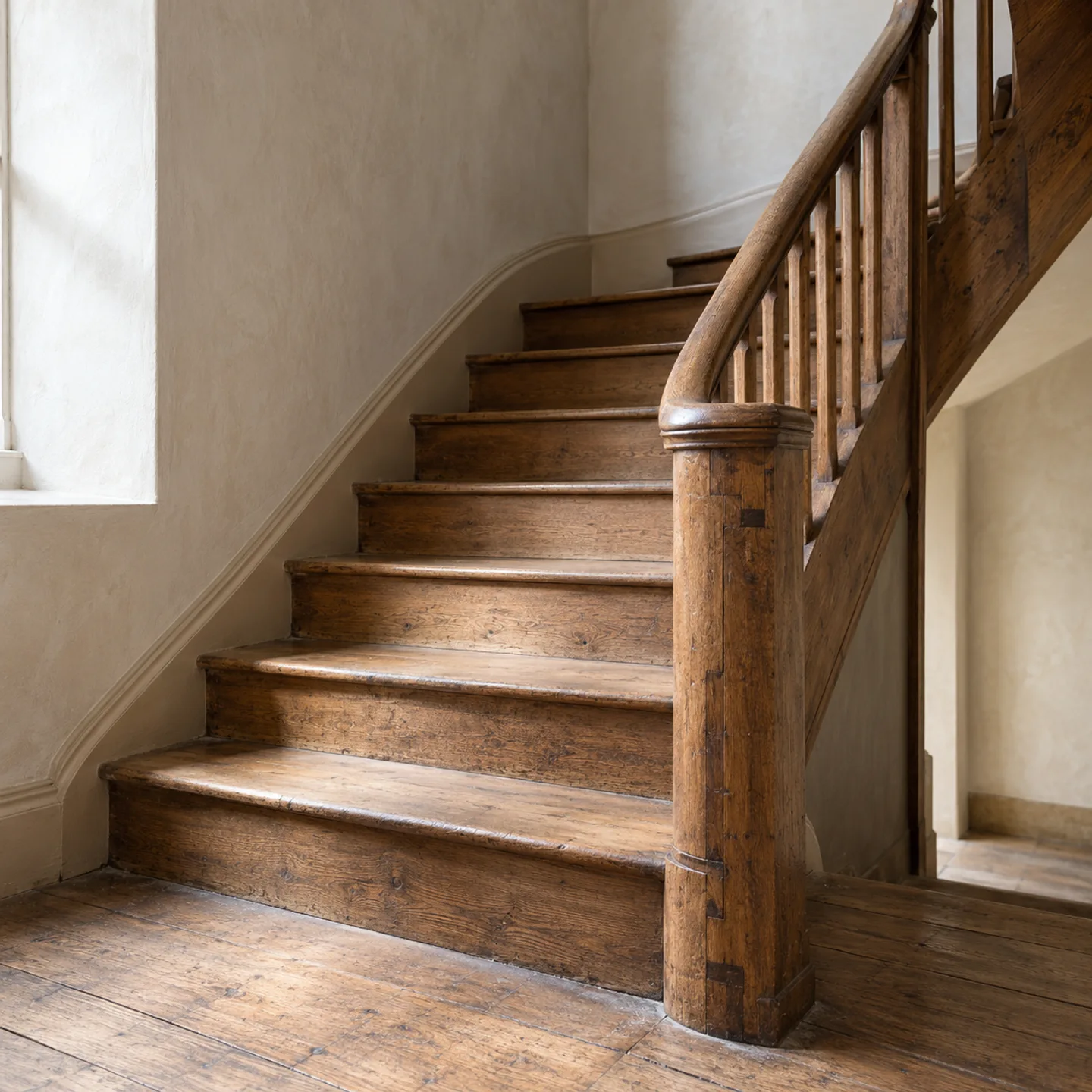
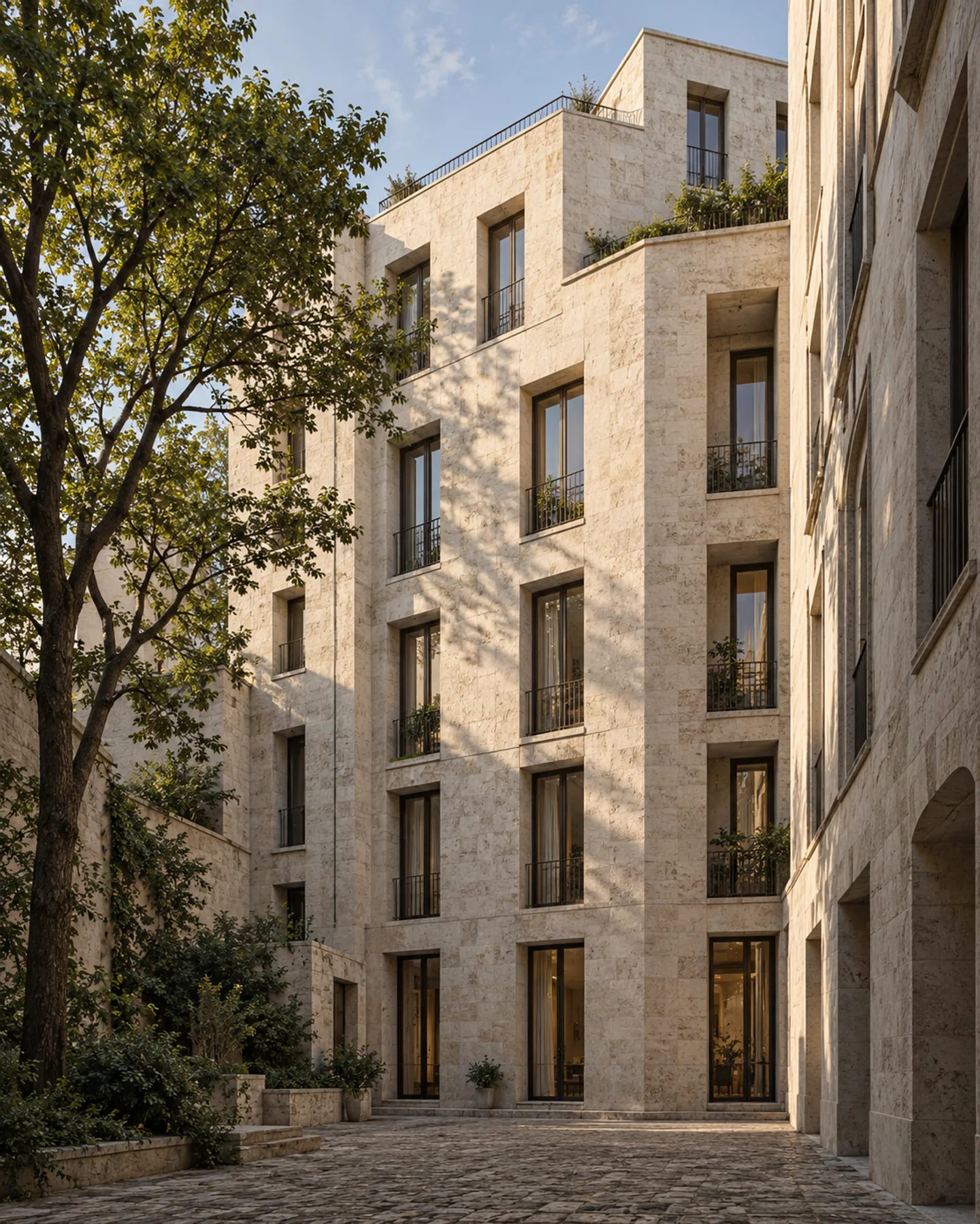
Materials that can grow old
A pristine sample cannot show the whole life of a finish. Look for evidence of cleaning, wear and repair before deciding where it belongs.

· 2 min read
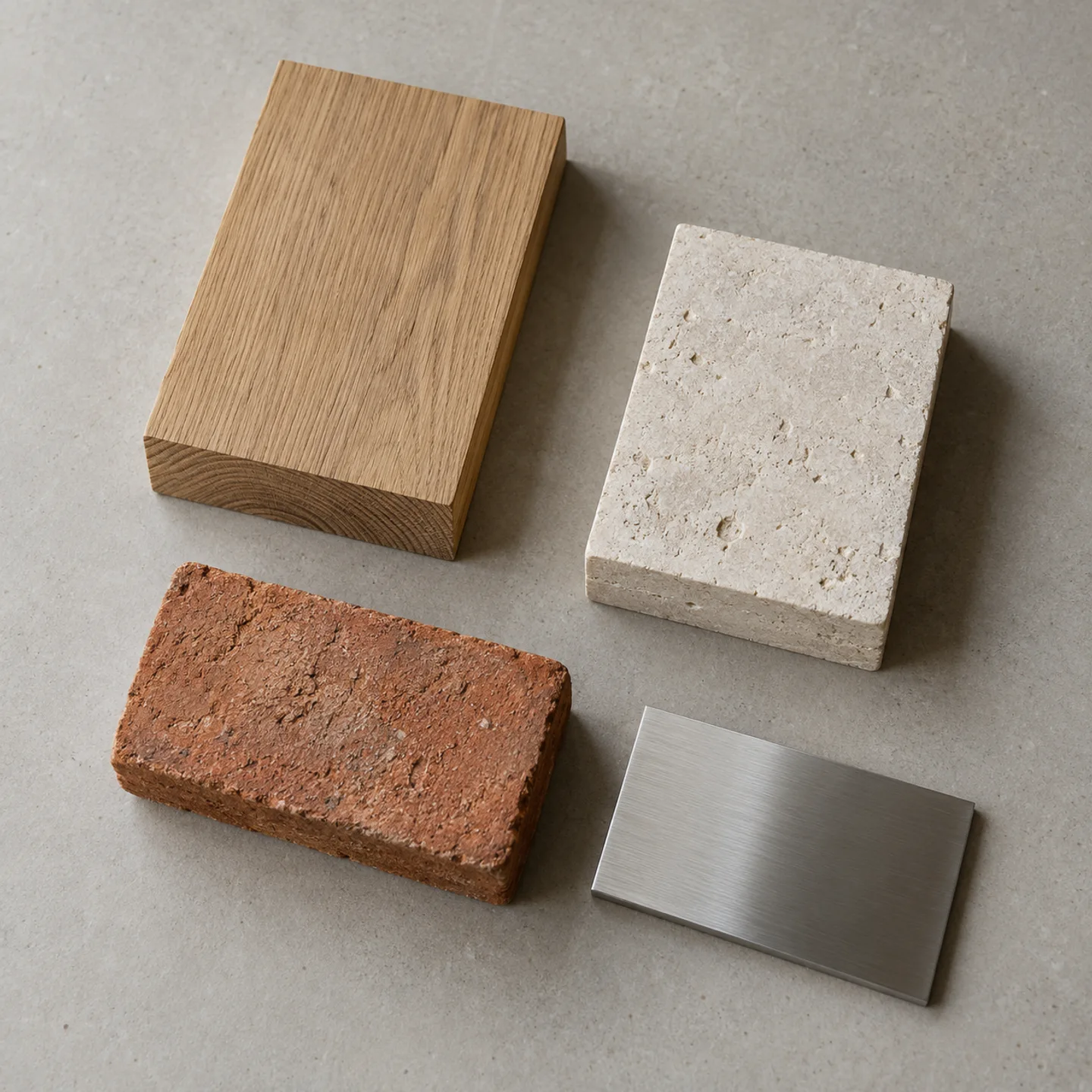
Beyond the new sample
A sample board is usually assembled from materials at their most flattering: freshly cut timber, clean stone, an unmarked piece of metal. An installed surface will be touched, washed, scratched and exposed to conditions the board cannot reproduce. The specification needs evidence beyond its opening appearance.
Where possible, look at the material in an existing installation with a comparable use. Pay attention to edges, joints and places that receive frequent contact. Attractive changes in colour should be distinguished from damage or changes that affect performance. Calling every mark patina avoids the decision about what needs repair.
Replacing a piece without replacing the room
Repairability depends on how a finish is assembled. An individual tile may be replaceable in principle, but matching stock, access and the way it is fixed still matter. A continuous surface has a different repair process, which should be understood before it is specified.
Put the proposed materials together at the junction they will actually make: the corner of a worktop, a floor edge or the meeting of two wall finishes. A generous sample of the surface can still say little about an exposed corner. That detail may need attention long before the broad surface shows significant wear.
Who will carry out the care?
A finish that requires frequent specialist treatment makes a continuing demand on its owner. Ask what cleaning is realistic, which products are suitable and what happens if maintenance is delayed. The person responsible for the space should be part of that discussion.
Keep the product, finish and repair information with the building records. Include any agreed maintenance method and the location of spare material. Years later, that record can spare someone the task of identifying an anonymous surface from a photograph and a damaged fragment.
Felix Ward
Felix writes about materials already in use. His pieces follow worn stair treads, repaired joints and the records that make the next repair easier.
About the contributor